A proper ruck backpack is built to carry weight comfortably over distance. It keeps the load stable, distributes pressure evenly, and supports your shoulders and hips as you move.
What to look for:
• Structured build that holds shape under load • Supportive shoulder straps • Hip support for heavier weights • Durable materials that stay stable
A good ruck backpack doesn’t just carry weight — it manages it.
That’s what makes rucking feel efficient, balanced, and sustainable.
These packs balance structure, comfort, and stability under load — without looking like military gear.
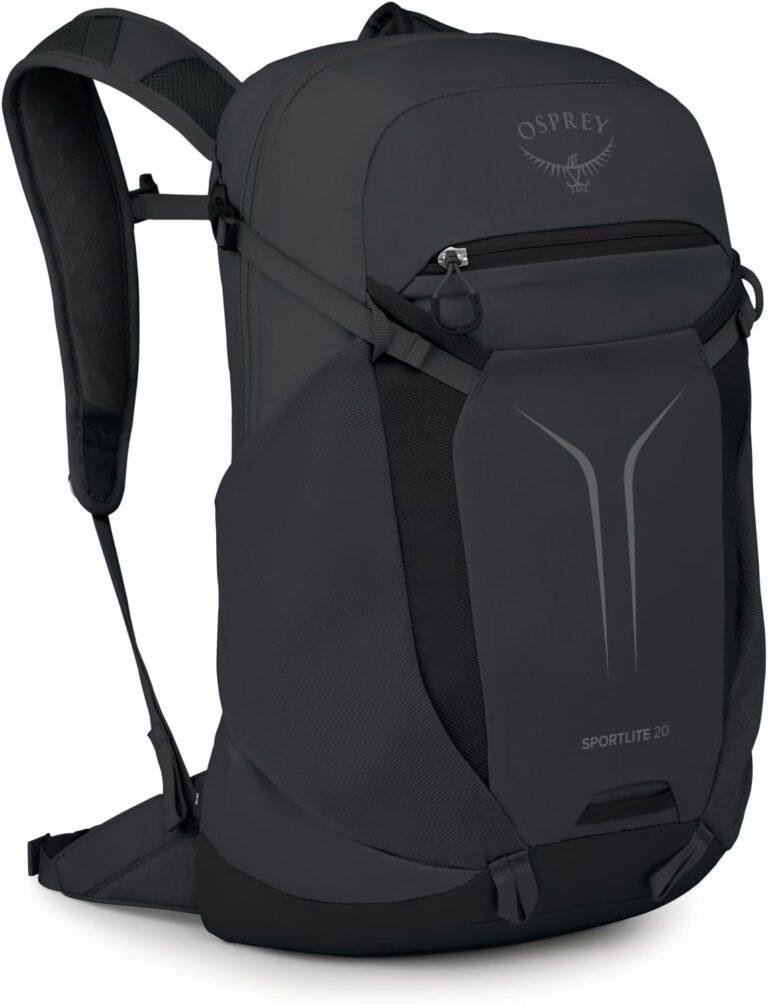
A streamlined, lightweight pack ideal for getting started. The structured backpanel keeps light loads stable without feeling bulky, making it perfect for short rucks and daily walks. Simple, supportive, and easy to carry.
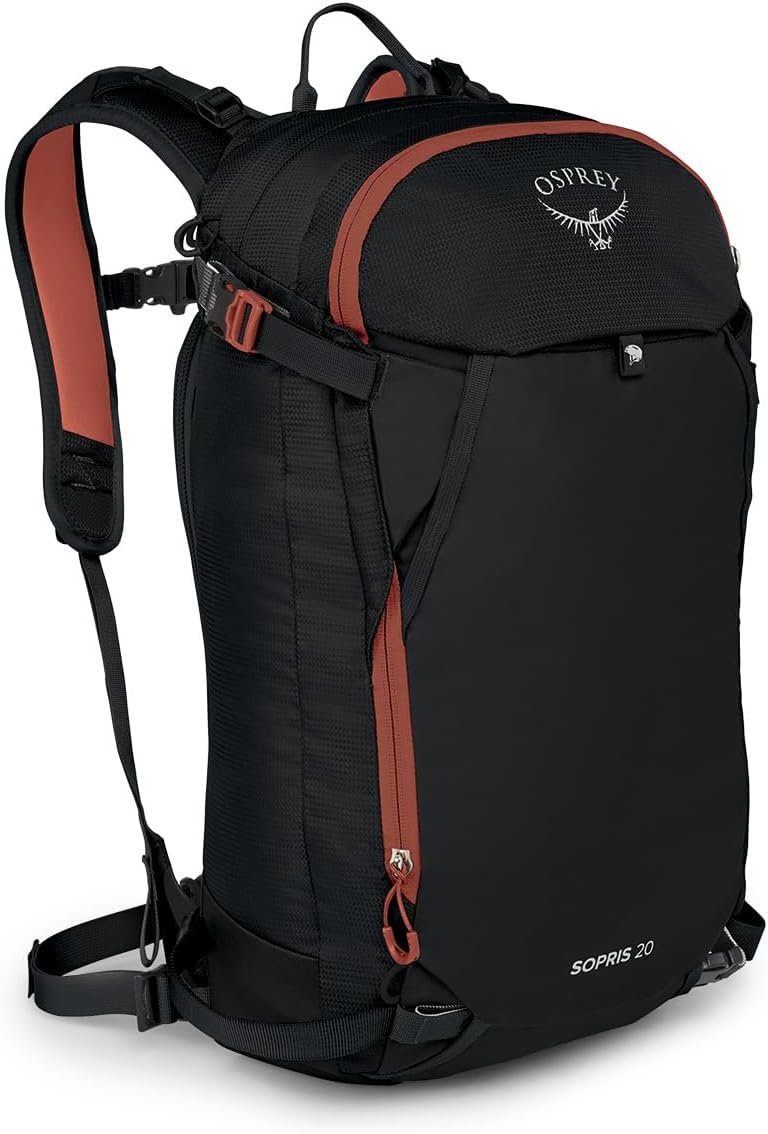
Similar size to the Sportlite, but with added padding and structure for slightly heavier loads. It feels more secure as weight increases, making it a strong next step if you’re moving past beginner weights but still want a compact profile.
Recommended rucking weight: 10–25 lbs — ideal for entry-level rucks and daily health walks.
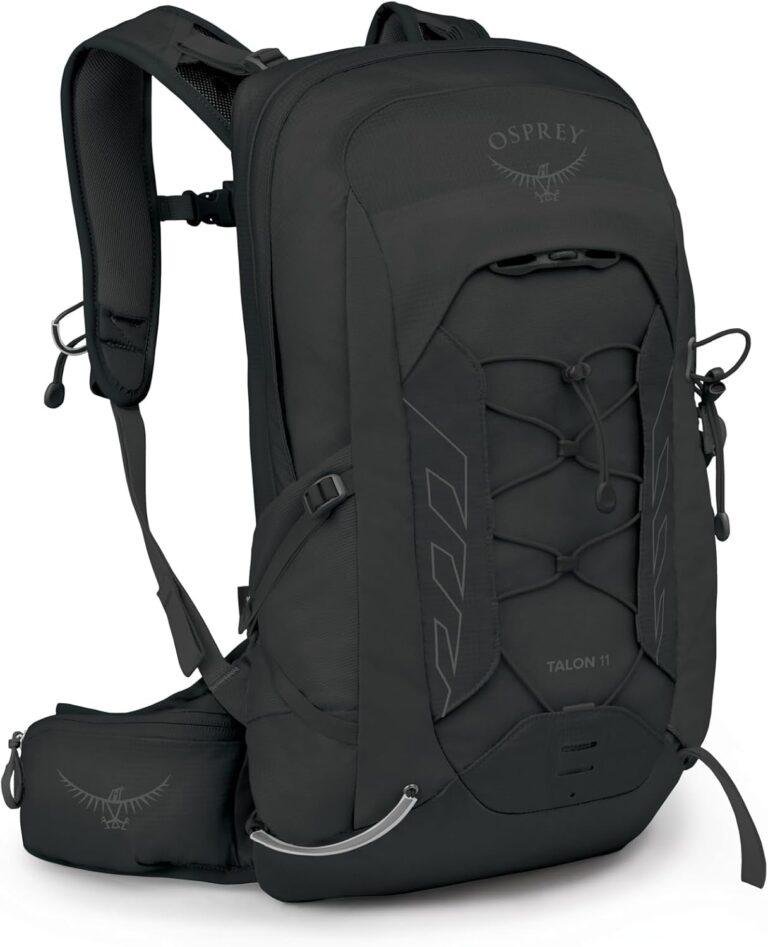
More supportive and performance-focused than the 20 L options. The upgraded harness and hipbelt distribute weight more efficiently, making it comfortable for moderate training loads and longer distances. This is where rucking starts to feel serious.
Recommended rucking weight: 15–30 lbs — a sweet spot for most routine rucking sessions.
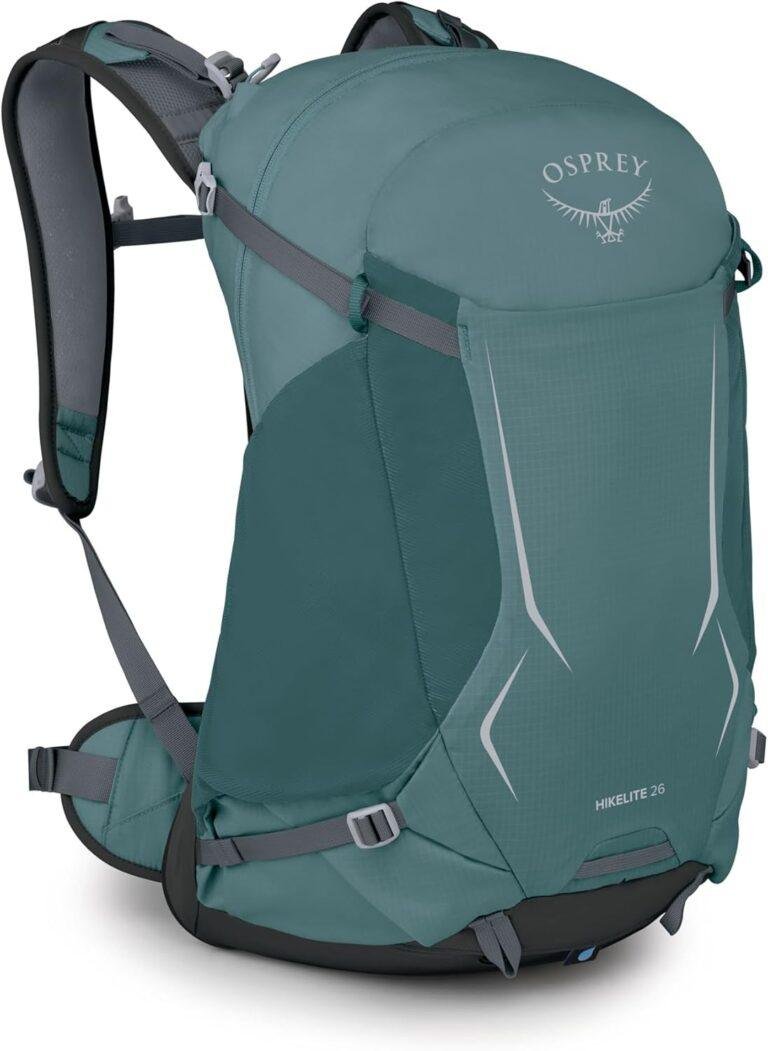
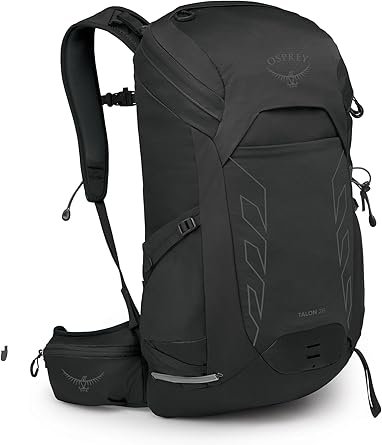
With added capacity and structure over the Talon 22, the Hikelite handles higher loads with improved stability. The extra room allows better weight positioning, which matters as you move into the 30 lb range and beyond.
Recommended rucking weight: 20–35 lbs — handles higher volumes and longer rucks without feeling bulky.
More performance-oriented than the Hikelite, with a closer, athletic fit and stronger load control. Ideal if you’re regularly training in the 25–35 lb range and want a pack that feels locked in and responsive under movement.
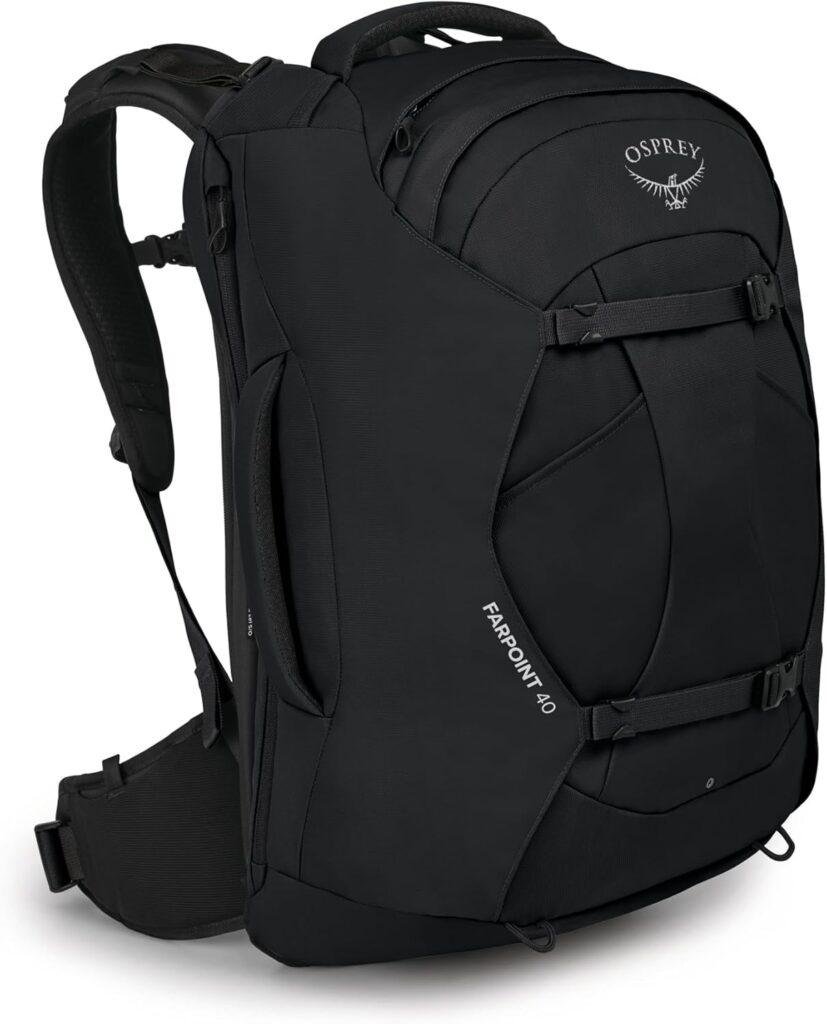
A clear step up in load capability. With a more robust suspension system and greater internal space, the Farpoint 40 carries heavier weights more comfortably over longer sessions. This is for committed ruckers pushing into serious training territory.
Recommended rucking weight: 30–40 lbs — your go-to for heavier training rucks or multi-hour sessions.
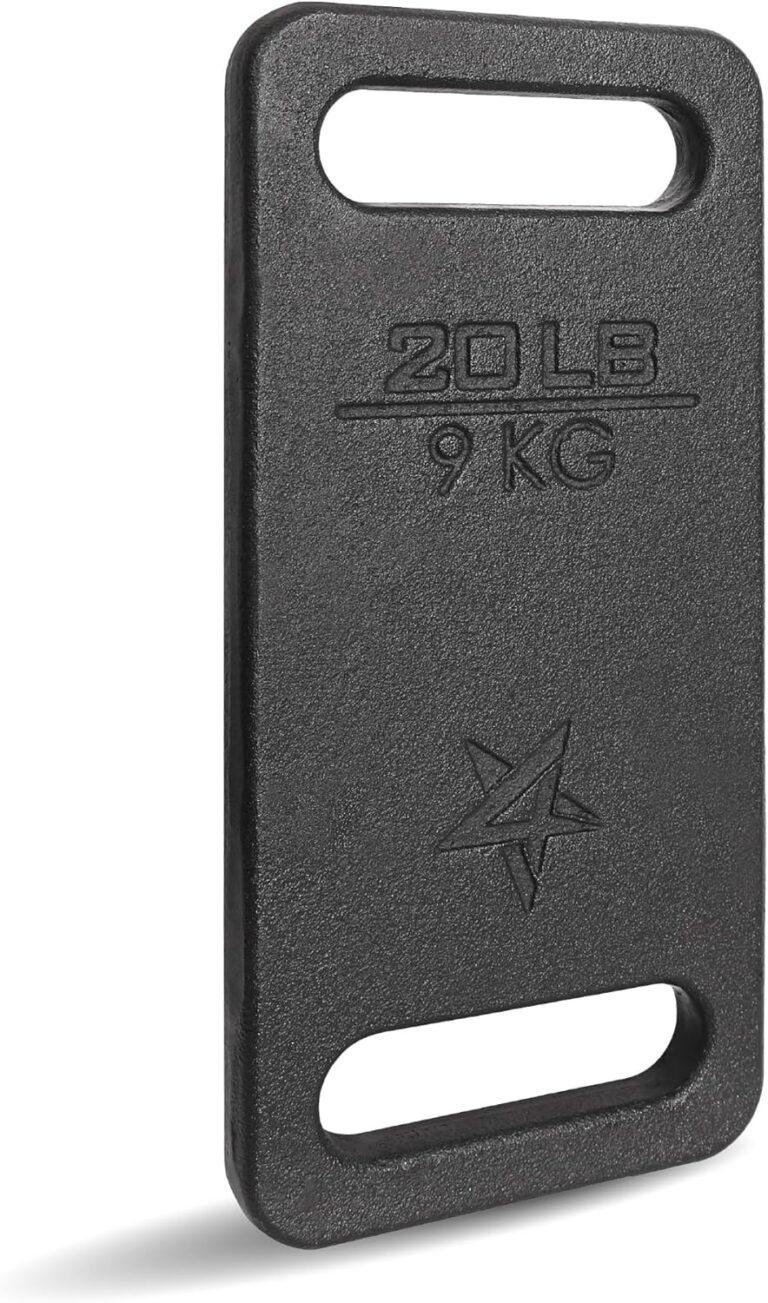
A compact cast iron plate designed to sit securely in your pack, making it easier to add consistent, balanced load. A simple way to standardize your weight and progress gradually without shifting bulk inside your bag.
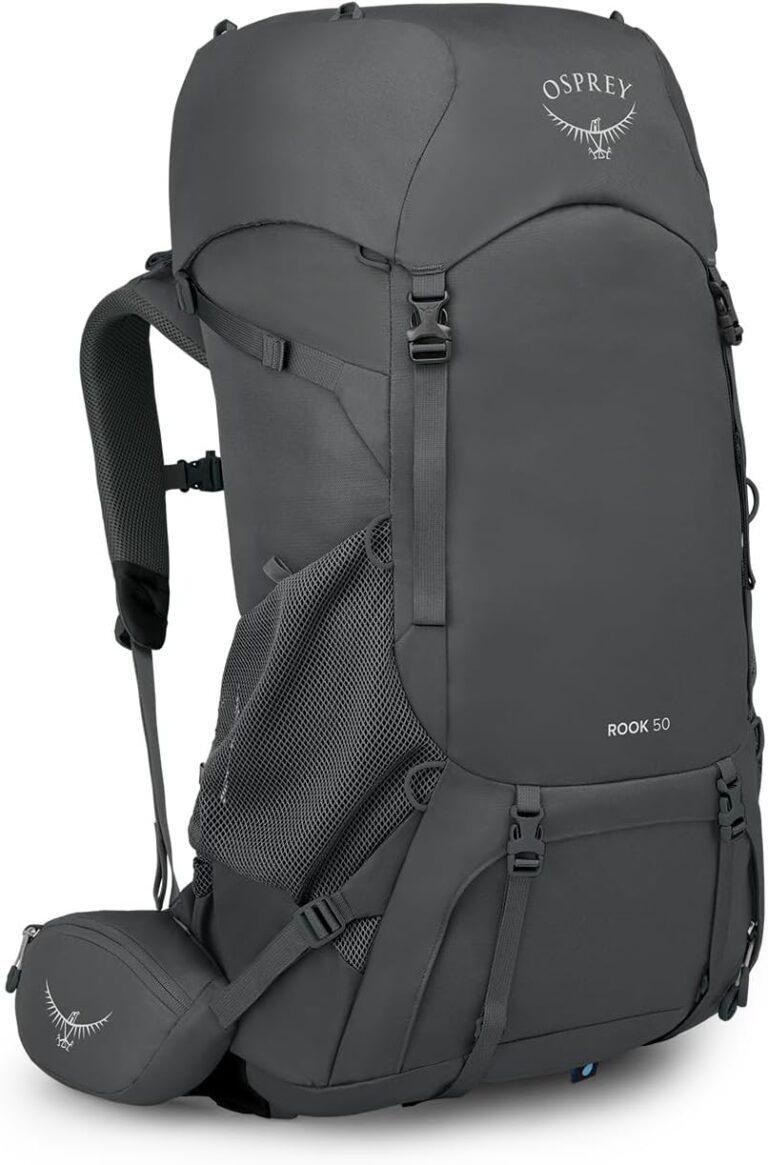
Built for the heaviest training days. The Rook 50 features a full suspension system and adjustable harness that manages 30–45 lb loads with greater comfort and stability than smaller packs. When you’re carrying serious weight for distance, structure matters — and this pack provides it.
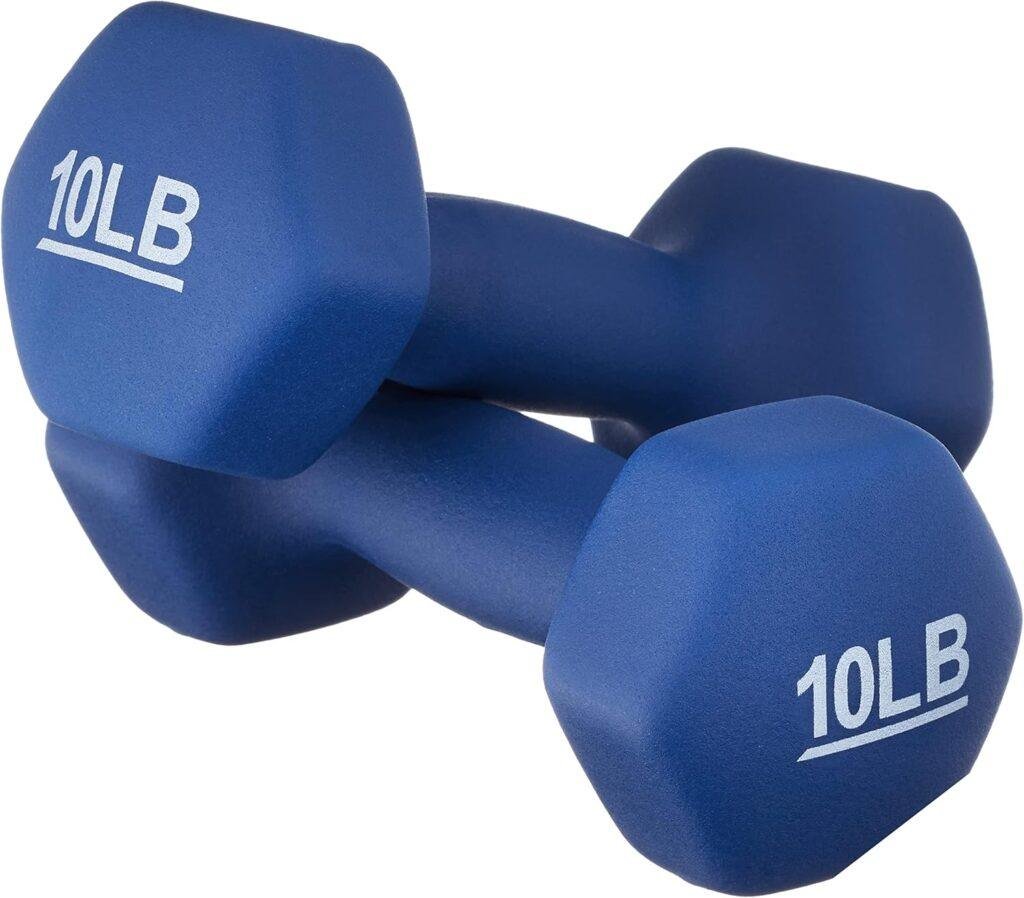
An optional add-on for hybrid sessions. Carry them inside your pack, stop mid-ruck for presses or push-ups, then load them back in and continue. A simple way to turn a steady walk into a full-body strength session.