Rucking Backpacks
The right backpack makes rucking easier to start and easier to keep doing.
Rucking is simple: add weight to a backpack and walk. But once you start adding distance, weight, or hills, the backpack matters.
A good rucking pack keeps the load close to your body, reduces bouncing, protects your shoulders, and helps the weight feel controlled instead of sloppy.
What to look for:
- Enough structure to hold weight securely
- Comfortable shoulder straps and back padding
- A hipbelt or waist support for heavier loads
- Durable material that can handle repeated use
Some packs below are purpose-built for rucking. Others are strong hiking, tactical, or travel packs that work well for carrying moderate weight.
Start light, build slowly, and choose a pack that makes consistency easier.
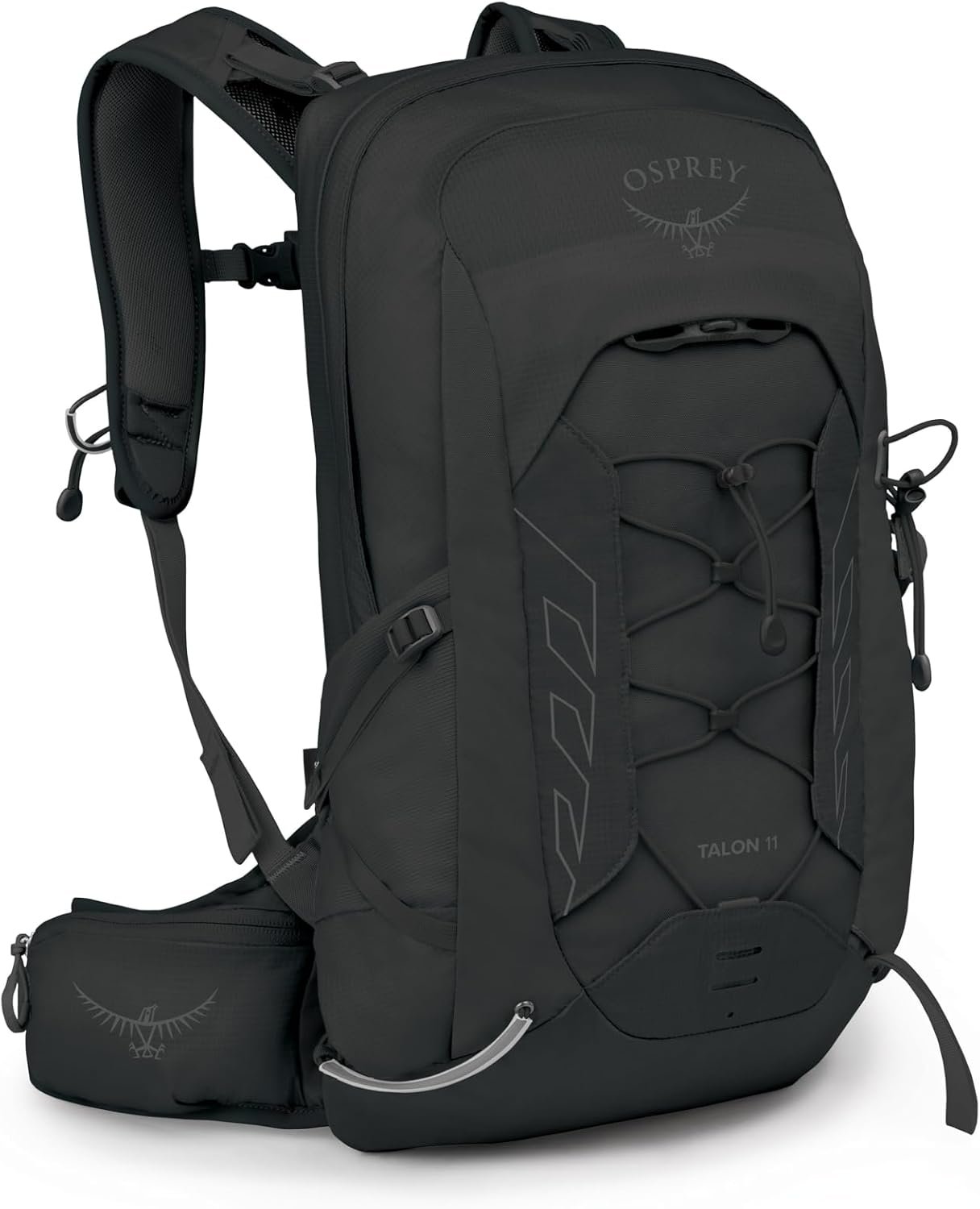
Osprey Talon 22
A lightweight hiking pack that works well for shorter rucks and beginner training. The close-fitting design, supportive hipbelt, and compact size make it a strong choice for people who want a normal-looking pack that still carries weight well.
Recommended rucking weight: 15–30 lb
View Backpack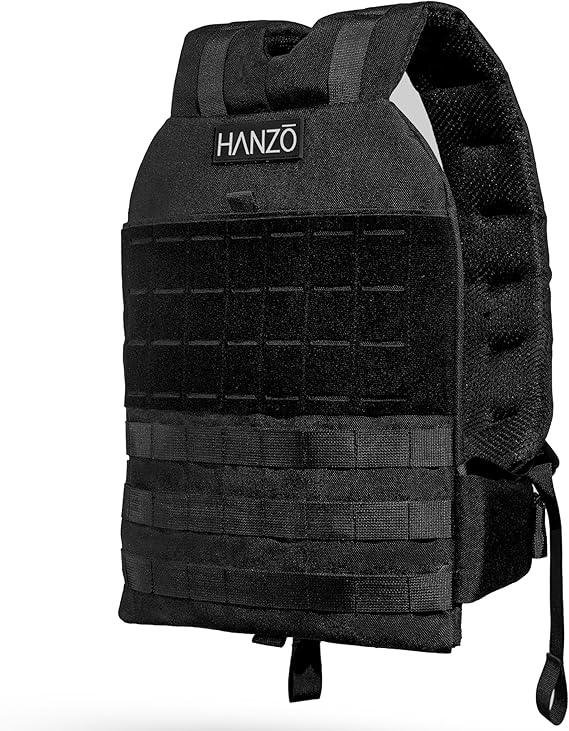
Hanzo Rucking Backpack V2
A purpose-built rucking backpack designed for weighted walks and fitness training. It is made to hold weight more securely than a regular backpack, making it one of the better choices for controlled rucking loads.
Recommended rucking weight: 10–40 lb
View Backpack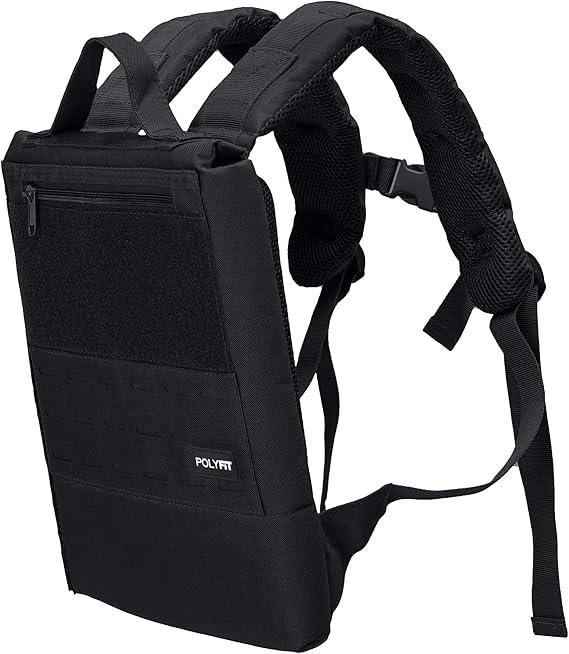
Polyfit Rucking Backpack 2.0
A compact rucking pack built around plate-loaded training. The side-loading design helps keep the weight controlled and close to the body, which makes it a practical option for regular fitness rucks.
Recommended rucking weight: 10–45 lb
View Backpack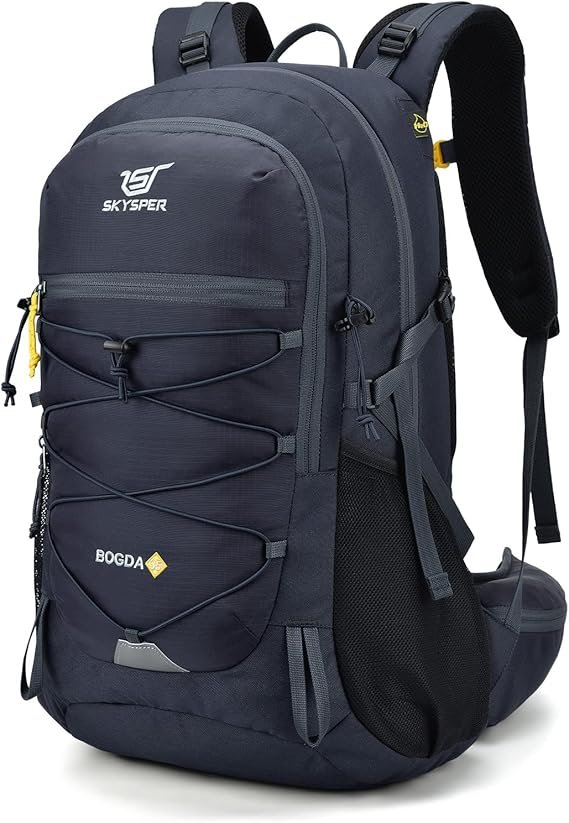
SKYSPER 35L Hiking Backpack
A clean, lightweight hiking backpack that works well for women who want a normal-looking pack instead of a tactical or weighted fitness bag. The 35L size gives enough room for rucking weight, water, and basic gear, while the outdoor design keeps it practical for walking, hiking, and regular training.
Recommended rucking weight: 15–25 lb
View Backpack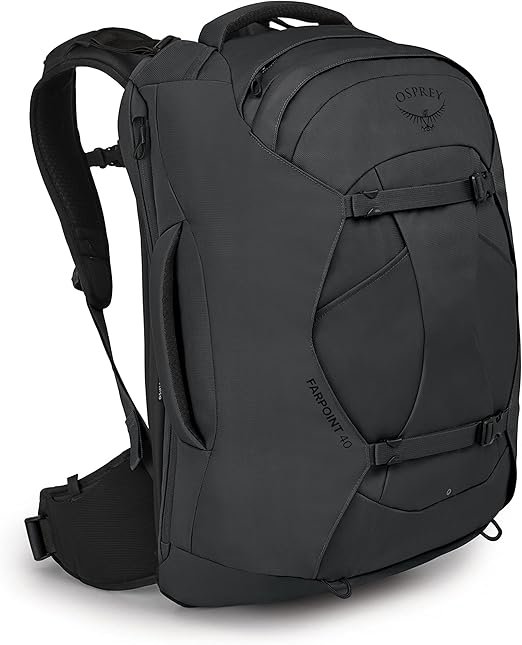
Osprey Farpoint 40
A larger travel-style backpack with more room and structure than a small daypack. It is not a dedicated rucking pack, but it can work well for longer walks with moderate weight and a more traditional backpack feel.
Recommended rucking weight: 20–35 lb
View Backpack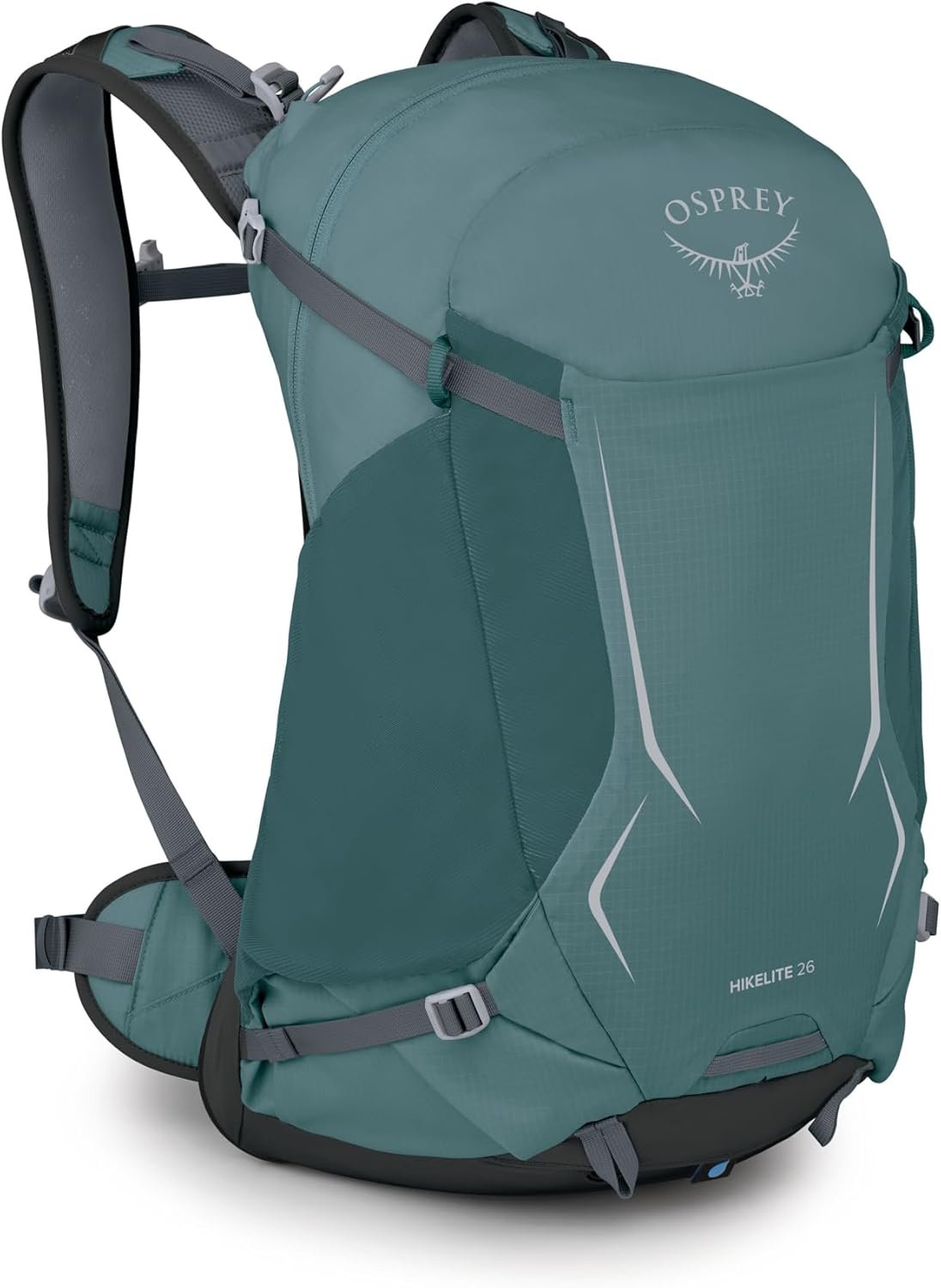
Osprey Hikelite 26
A clean, lightweight hiking backpack with more room than the Talon 22. It is a good choice for beginners who want comfort, airflow, and a non-tactical look for light to moderate rucking.
Recommended rucking weight: 15–30 lb
View Backpack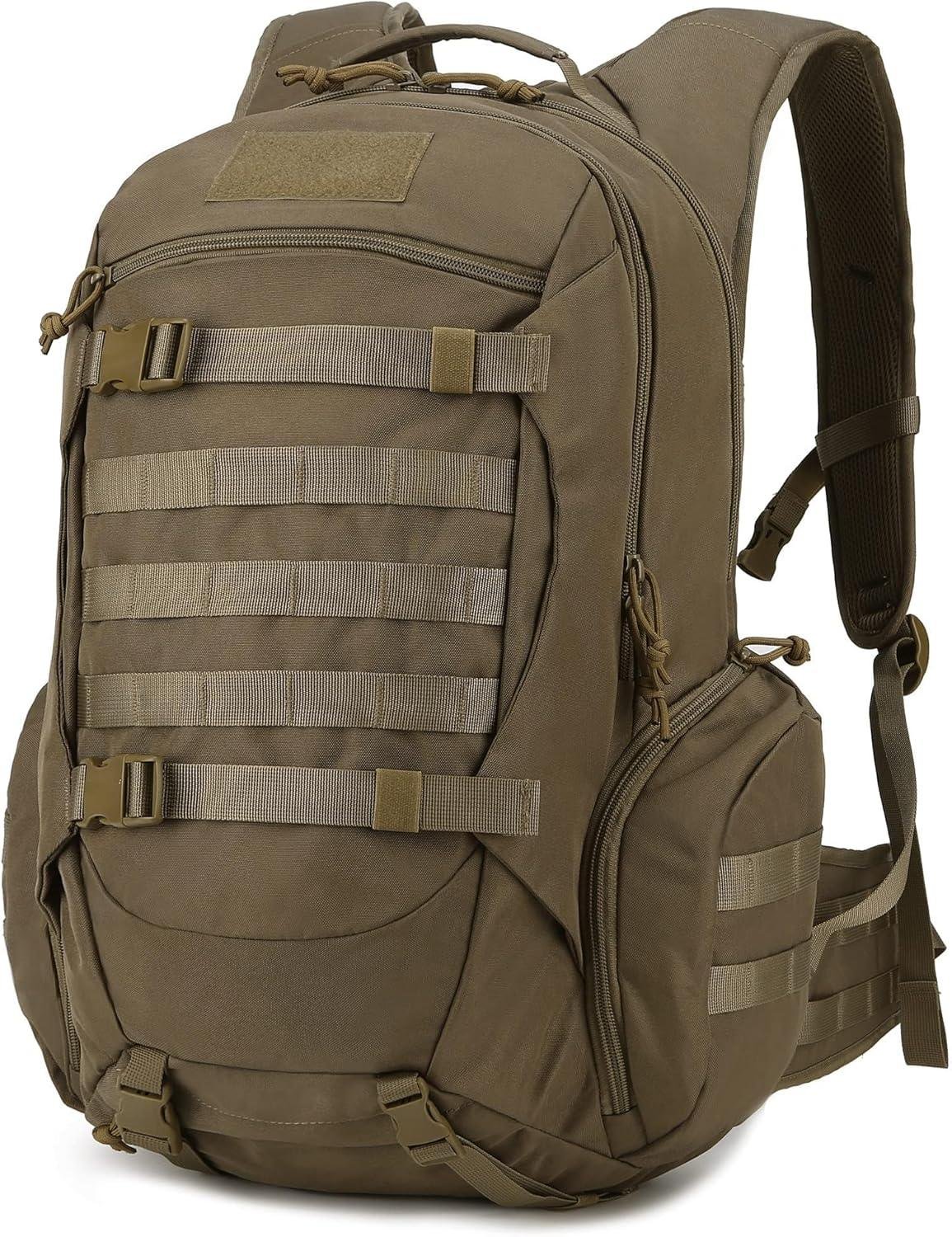
Mardingtop 35L Tactical Backpack
A durable, affordable backpack that works well for rucking without being a dedicated weighted pack. The 35L size gives enough room for weight, water, and basic gear, while the chest strap, waist support, and compression straps help keep the load more controlled while you walk.
Recommended rucking weight: 15–30 lb
View Backpack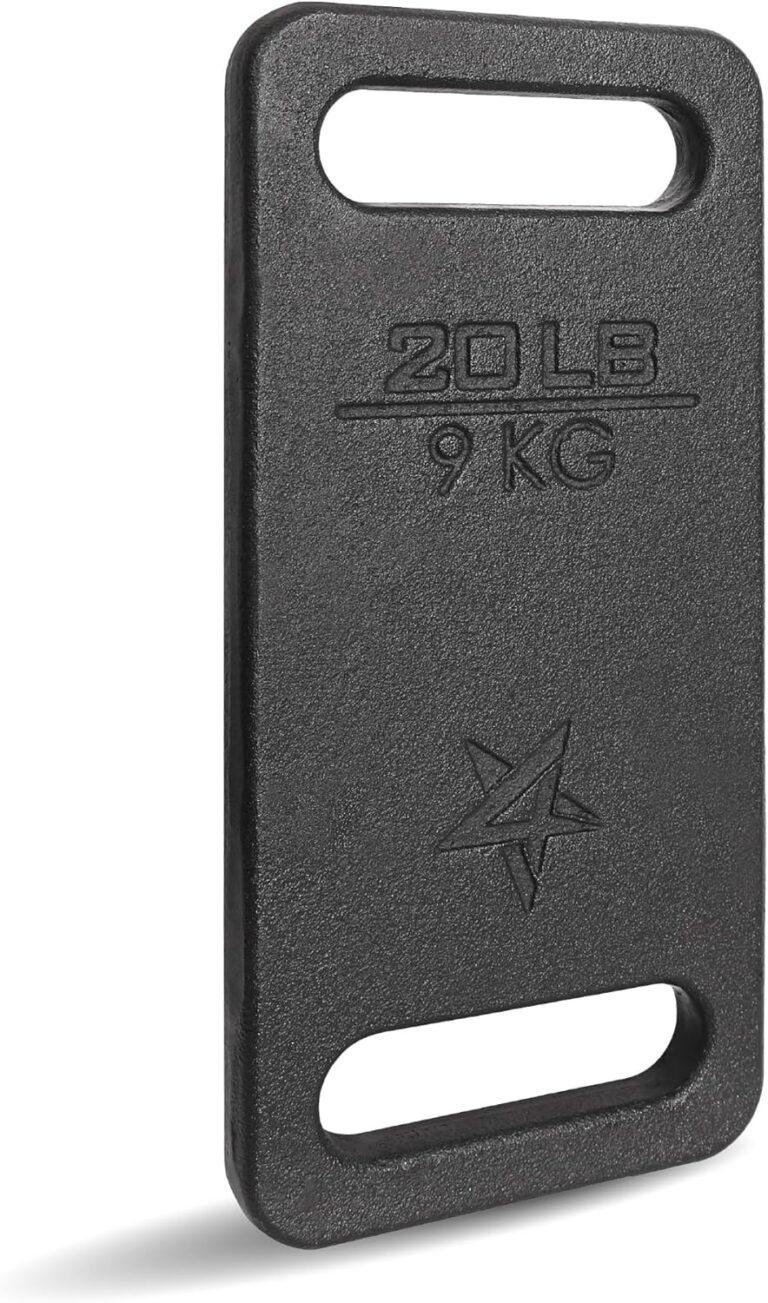
Yes4All Ruck Weight Plate
A compact cast iron plate designed to sit securely in your pack. It gives you a consistent, controlled load without using loose items that shift around while you walk.
Best for: Controlled backpack weight
View Weight Plate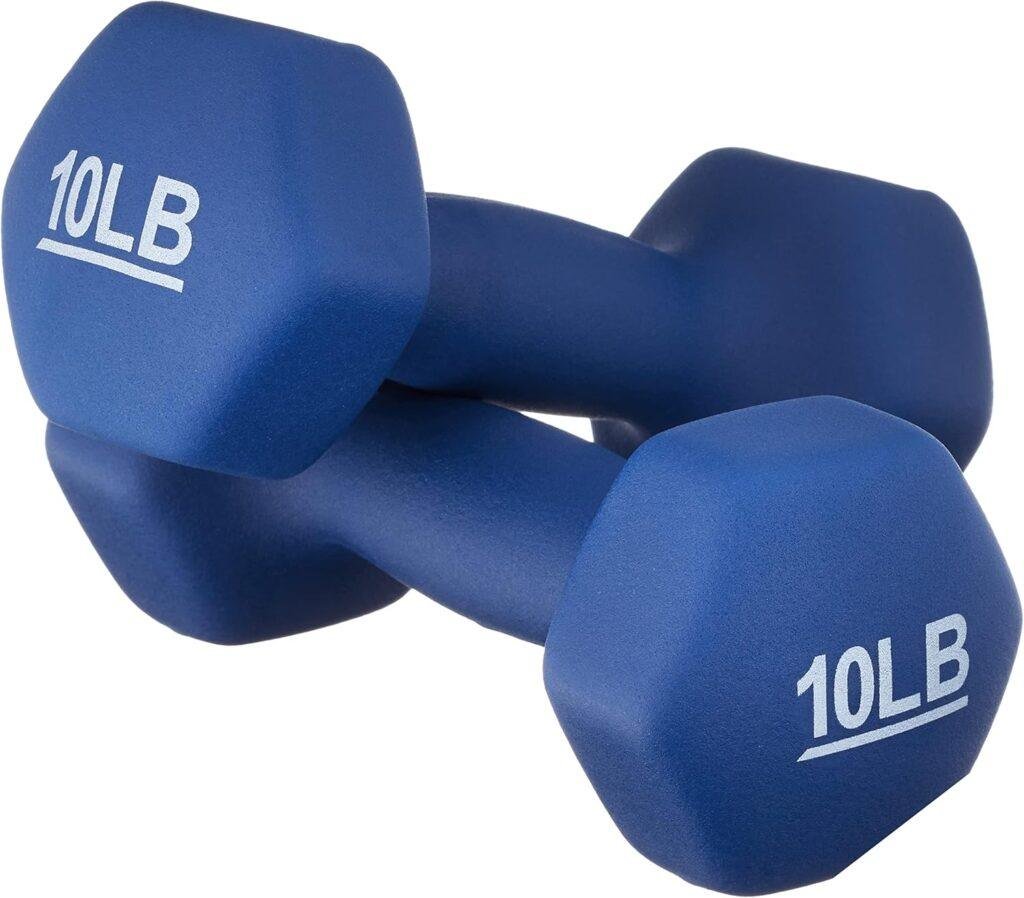
Amazon Basics Neoprene Dumbbells
An optional add-on for simple loaded training. Carry them in your pack, use them for short strength stops, or use them at home between rucks.
Best for: Hybrid ruck workouts
View Dumbbells